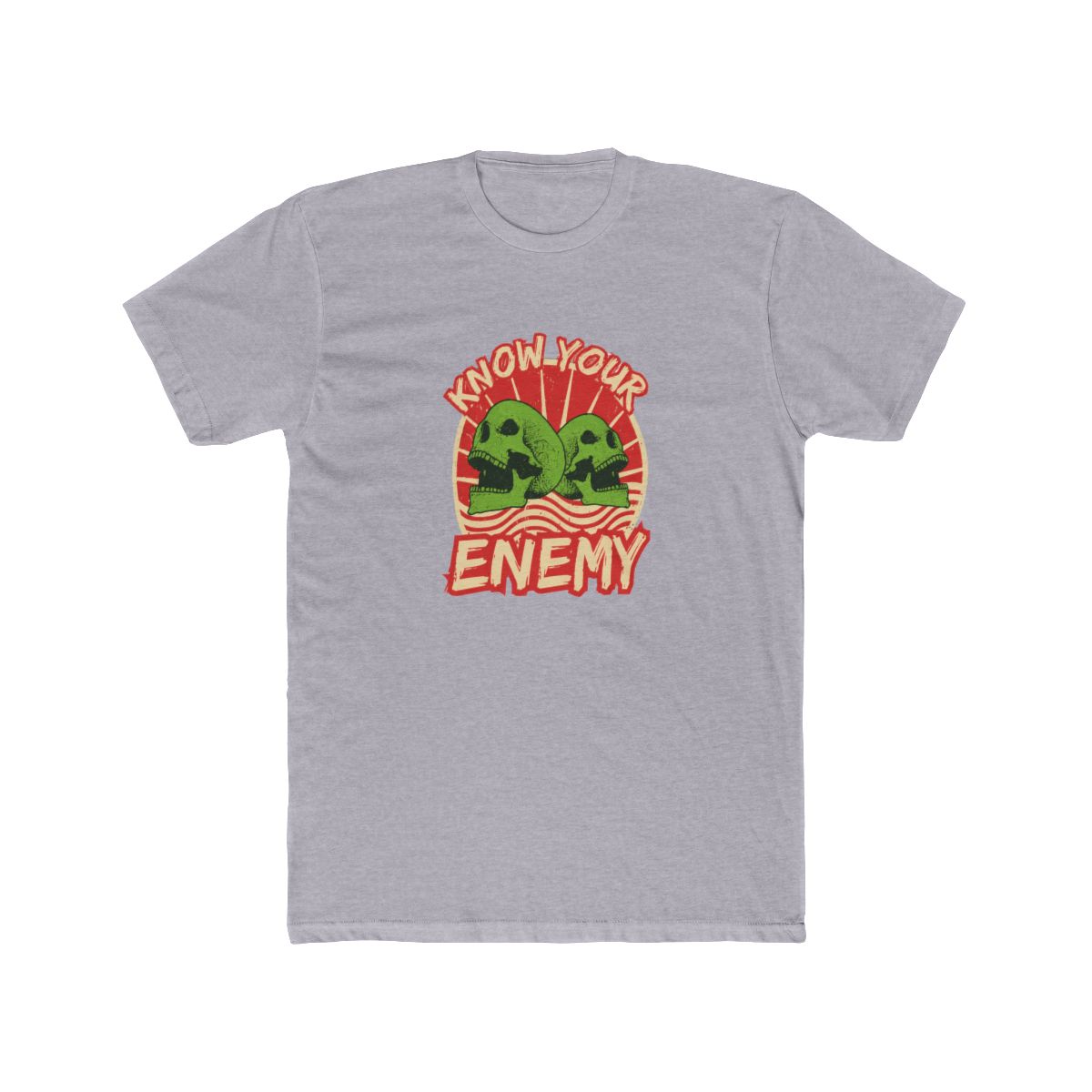
Why does your favorite Know Your Enemy tee fade after three washes? If you've been disappointed by merch that shrinks or pills, you're not alone. This guide breaks down the know your enemy merch quality 2026 so you can pick gear that lasts. By the end, you'll know exactly which fabrics, prints, and construction details to look for.
← Back to Blog
Know Your Enemy Merch Quality in 2026: Fabric Guide
Know Your Enemy merch quality in 2026 is better than ever, but not all fabrics are equal. This guide compares cotton vs blends, print methods, and construction so you get gear that lasts.
Why Merch Quality Matters for Know Your Enemy Fans
A band's merch is more than merchandise - it's a badge of fandom. You wear it to shows, to the gym, or just around town. Low-quality fabric ruins that experience. In 2026, Know Your Enemy has refined their production, but not all items are equal. Understanding fabric weight, blend ratios, and print methods helps you avoid the thin, scratchy tees that last a month.
I've designed merch for over a decade, and I've seen firsthand how a 180 GSM cotton tee holds up compared to a 150 GSM budget shirt. The difference is night and day. For Know Your Enemy, the standard has improved, but you still need to know what to look for.
Cotton vs Blends: What's in Your Know Your Enemy Tee
Step 1: Check the Tag
Start by reading the label. A 100% ring-spun cotton tee (like the classic logo tee) will be softer and more breathable than a tri-blend (polyester, cotton, rayon). The tri-blend has a drapier feel but may pill faster if not cared for properly.Step 2: Feel the Weight
Pick up the shirt. A good quality tee should feel substantial - around 180-200 GSM (grams per square meter). Lighter shirts (150 GSM) are cheaper but sheer. Know Your Enemy's heavyweight hoodie uses a 300 GSM fleece, which feels plush and holds shape better.Step 3: Look at the Seams
Double-stitched seams are a sign of durability. Flip the shirt inside out - if you see a single row of stitches on the shoulder, it's a weak point. The Know Your Enemy "Reaper" tee uses flatlock seams that reduce chafing and last longer.Step 4: Examine the Neckline
A ribbed collar that's reinforced with a second row of stitching won't stretch out. Compare the Know Your Enemy hoodie's ribbed cuffs and hem - they should feel tight but not restrictive.Step 5: Test the Print
Rub your hand across the design. If it feels like a sticker, it's likely a cheap heat transfer. A high-quality screen print should feel smooth and slightly raised. The Know Your Enemy "Skull Crewneck" uses a plastisol screen print that stays flexible and crack-resistant.Step 6: Check Color Fastness
Wet a white cloth and press it on a dark print. If color transfers, the dye is low quality. Quality garments use reactive dyes that bond with the fibers, not just coat them.Step 7: Consider the Fit
Pre-shrunk cotton means less guesswork. Know Your Enemy's vintage fit tees (like the "90s Tour" tee) are pre-shrunk and sized for a looser look. Others are cut slim. Always check the size guide for chest and length measurements.Pro Tip: Wash Before Wearing
Always wash a new shirt in cold water and hang dry. This sets the print and removes any residual chemicals. Avoid fabric softener - it breaks down fibers over time.Print Durability: Screen Print vs DTG in 2026
Screen printing layers thick ink through a mesh stencil. It's durable, vibrant, and holds up through many washes. Know Your Enemy used this for their limited "Pain" hoodie - the white ink on black fleece stays crisp even after 20 washes. The downside: screen prints can crack if exposed to high heat.
Direct-to-garment (DTG) printing is like an inkjet printer on fabric. It's great for detailed, multi-color designs (like the "Eclipse" tee), but the ink sits on the surface and fades faster. In 2026, new pre-treatment processes have improved DTG durability. I recommend DTG for t-shirts you won't wash weekly, and screen print for heavy-rotation items.
One test: stretch the fabric gently over a printed area. If the print flakes or cracks, it's low quality. A well-bonded print will move with the fabric.
How to Spot High-Quality Know Your Enemy Hoodies
A hoodie is an investment piece. Know Your Enemy's 2026 fleece options range from midweight to heavyweight. Look for:
- Fabric weight: 300 GSM or higher. The "Winter" hoodie hits 320 GSM.
- Lining: Brushed fleece inside traps warmth. Unbrushed fleece is thinner.
- Hood construction: A double-layer hood with a drawstring that doesn't fray. The "Hooded Villain" hoodie has a three-panel hood that holds its shape.
- Pockets: Kangaroo pockets that are reinforced at the corners. The "Grave" hoodie has hidden side entry pockets.
- Ribbing: Spandex-blend ribbing at wrists and hem keeps its elasticity.
Avoid hoodies with single-layer hoods or thin cotton that goes sheer when stretched. A quality hoodie should keep you warm without feeling like a paper bag.
Caring for Premium Know Your Enemy Fabrics
To extend the life of your merch:
- Wash inside out in cold water.
- Use mild detergent, not bleach.
- Skip the dryer. Air dry flat or on a hanger.
- For hoodies, turn them right side out after washing to prevent pilling.
- Iron prints inside out on low heat if needed - never directly on the design.
I've seen fans keep a beloved tour tee for years with these steps. The Know Your Enemy "Scar" hoodie I bought in 2024 still looks new because I follow cold wash and hang dry.
FAQ
Which Know Your Enemy tee has the best fabric quality?
The "Classic Logo" tee in 100% ring-spun cotton (180 GSM) is the most durable and comfortable. It resists shrinking and holds its shape after repeated washes.How can I tell if a Know Your Enemy hoodie is pre-shrunk?
Check the product description for "pre-shrunk" or look at the care label. If it says "machine wash cold, tumble dry low," it may shrink. Pre-shrunk items usually recommend cold wash and line dry.What's the difference between midweight and heavyweight fleece?
Midweight fleece (250-280 GSM) is versatile for layering. Heavyweight (300+ GSM) is warmer and more structured. Know Your Enemy's "Winter" hoodie is heavyweight; their "Artists" pullover is midweight.Are Know Your Enemy's screen prints safe for sensitive skin?
Yes. The plastisol inks used are PVC-free and phthalate-free. Wash the shirt once before wearing to remove any manufacturing residue. If irritation persists, the fabric itself (cotton vs. blend) might be the cause.Why does my new Know Your Enemy hoodie smell chemically?
That's likely from the fabric finishing process or packaging. Wash it with a cup of white vinegar in the rinse cycle to neutralize odors. Avoid fabric softener. The smell should dissipate after one wash.Key Takeaways
- Always check fabric weight (GSM) and blend - heavier cotton lasts longer.
- Screen prints outlast DTG, but DTG allows more detail.
- Examine construction: double stitching, reinforced collars, and ribbed cuffs.
- Cold wash and air dry to preserve both fabric and print.
- Know Your Enemy's 2026 lineup offers better options than past years, but not all items are premium - choose wisely.
Pro tip: Join the fan community on Discord to see real-world wear tests and fit pics. You'll find honest opinions on which designs hold up best.
Related Posts
Merch
Know Your Enemy Merch for Your Home Office: Top Picks for 2026
A merch designer shares how Know Your Enemy mugs, hoodies, and tees can make your home office feel m...
MerchHow to Dress Up Your Know Your Enemy Gear for a Night Out
Learn how to dress up your favorite Know Your Enemy pieces for a night out. Styling tips for the Cla...
MerchBest Know Your Enemy Hoodie Designs of 2026: A Closer Look at the Premium Hoodie
From fan-inspired graphics to heavyweight comfort, the Know Your Enemy Premium Hoodie stands out in ...
Shop Know Your Enemy Merch
Official merchandise — premium quality, designed for the community.